"Shalom, Akmene!"
  • LT / EN / RU
    • LT >
      • Konferencijos
      • Edukacijos
      • "Žydų turgelis"
      • Edukaciniai koncertai
      • Kapinių tvarkymas
      • ATMINTIES ŽYGIS
      • Paskutinis adresas
      • Fotokonkursas "Žydai Žemaitijoje"
      • Lankytinos vietos
    • EN >
      • Conferences
      • Educational events
      • "Jewish Market"
      • Concerts
      • Jewish Cemeteries
      • MEMORY MARCH
      • The Last Address
      • Photocontest "Jews in Samogitia"
      • Places to Visit
    • RU >
      • Конференции
      • Эдукации, семинары
      • "Еврейский базар"
      • Концерты
      • Еврейские кладбища
      • МАРШ ПАМЯТИ
      • Последний адрес
      • Фотоконкурс "Евреи в Жемайтии"
      • Памятные места
  • Atsiliepimai/Feedback/ОТЗЫВЫ
  • Kontaktai/Contacts/Контакты
  • Nuorodos/Links/Ссылки
  • LT / EN / RU
    • LT >
      • Konferencijos
      • Edukacijos
      • "Žydų turgelis"
      • Edukaciniai koncertai
      • Kapinių tvarkymas
      • ATMINTIES ŽYGIS
      • Paskutinis adresas
      • Fotokonkursas "Žydai Žemaitijoje"
      • Lankytinos vietos
    • EN >
      • Conferences
      • Educational events
      • "Jewish Market"
      • Concerts
      • Jewish Cemeteries
      • MEMORY MARCH
      • The Last Address
      • Photocontest "Jews in Samogitia"
      • Places to Visit
    • RU >
      • Конференции
      • Эдукации, семинары
      • "Еврейский базар"
      • Концерты
      • Еврейские кладбища
      • МАРШ ПАМЯТИ
      • Последний адрес
      • Фотоконкурс "Евреи в Жемайтии"
      • Памятные места
  • Atsiliepimai/Feedback/ОТЗЫВЫ
  • Kontaktai/Contacts/Контакты
  • Nuorodos/Links/Ссылки

THE LAST ADDRESS

This is a project that is carried out in close cooperation with the Jakov Bunka Support and Charity Foundation. During it, material is collected about the national communities that lived in a certain place between the wars, memories of local residents are collected, and a map of the area is drawn up, in which it is noted who lived where

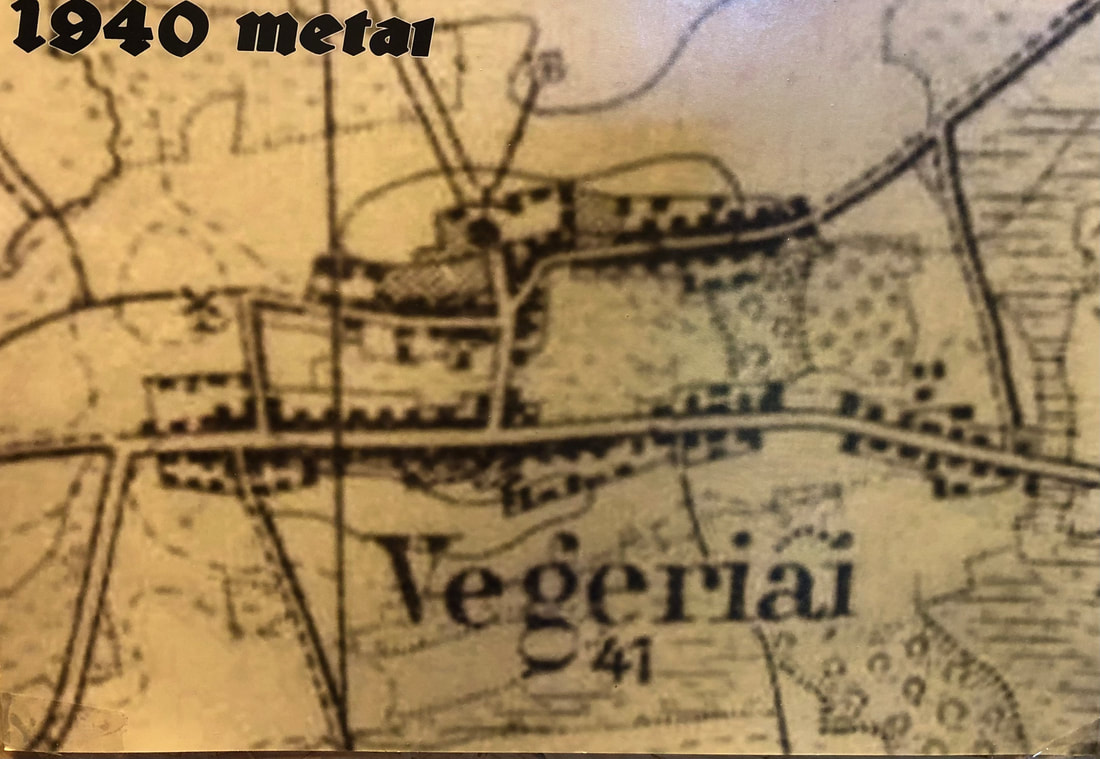
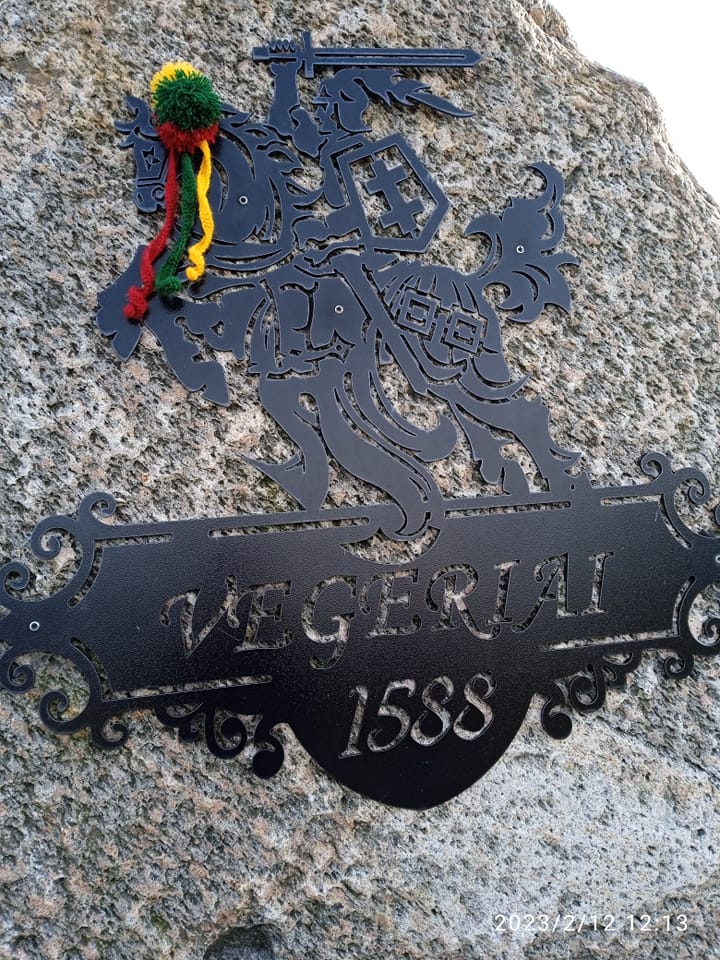
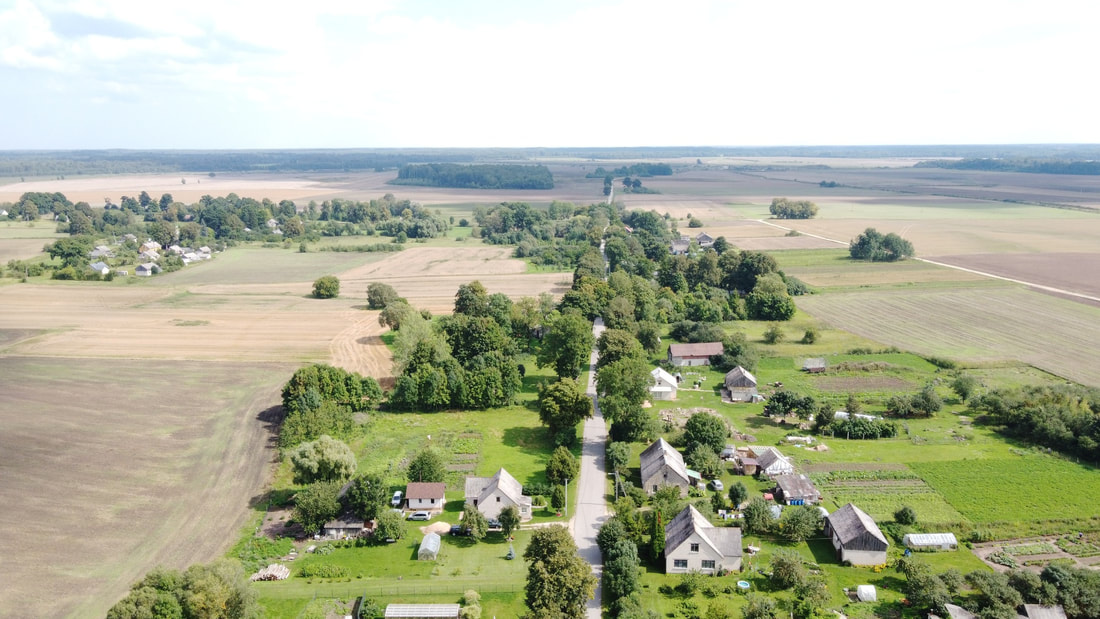
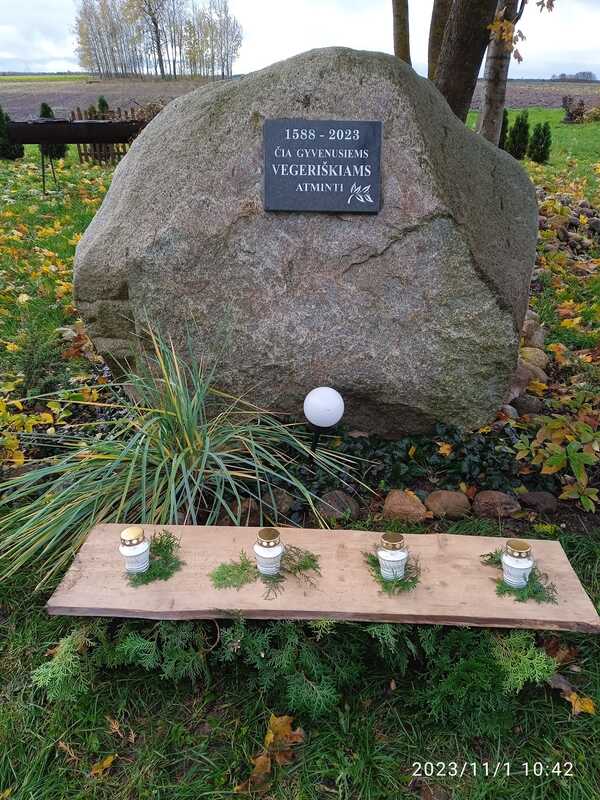
THE LAST ADDRESS. VEGERIAI (2023)

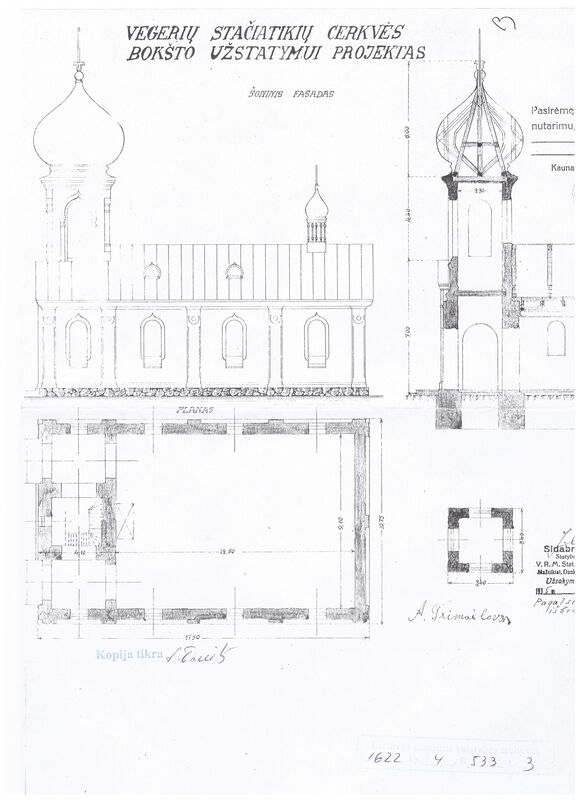
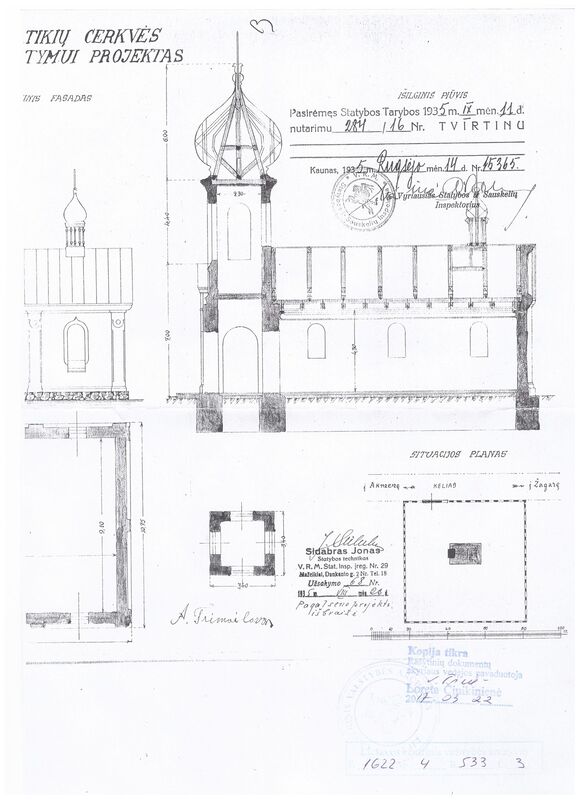
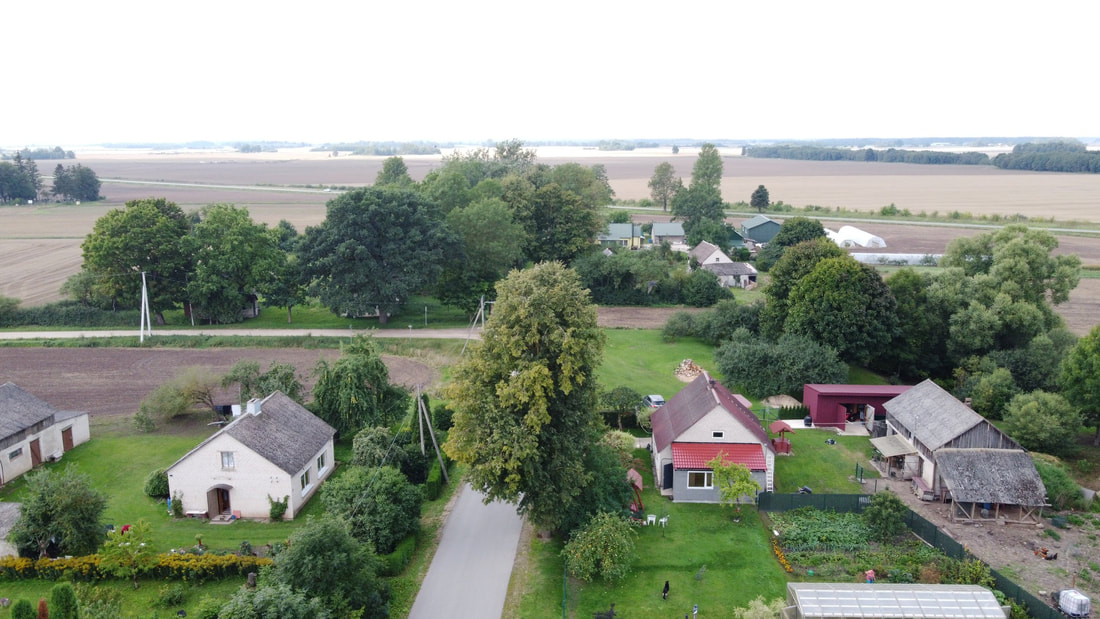
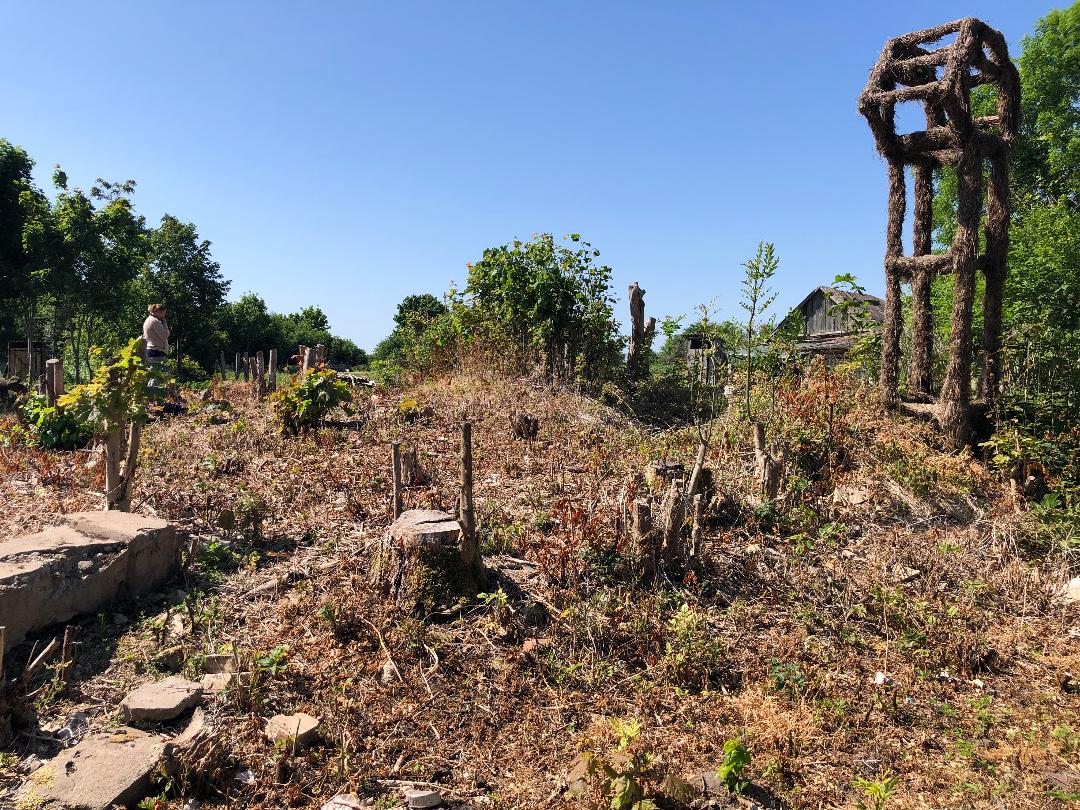
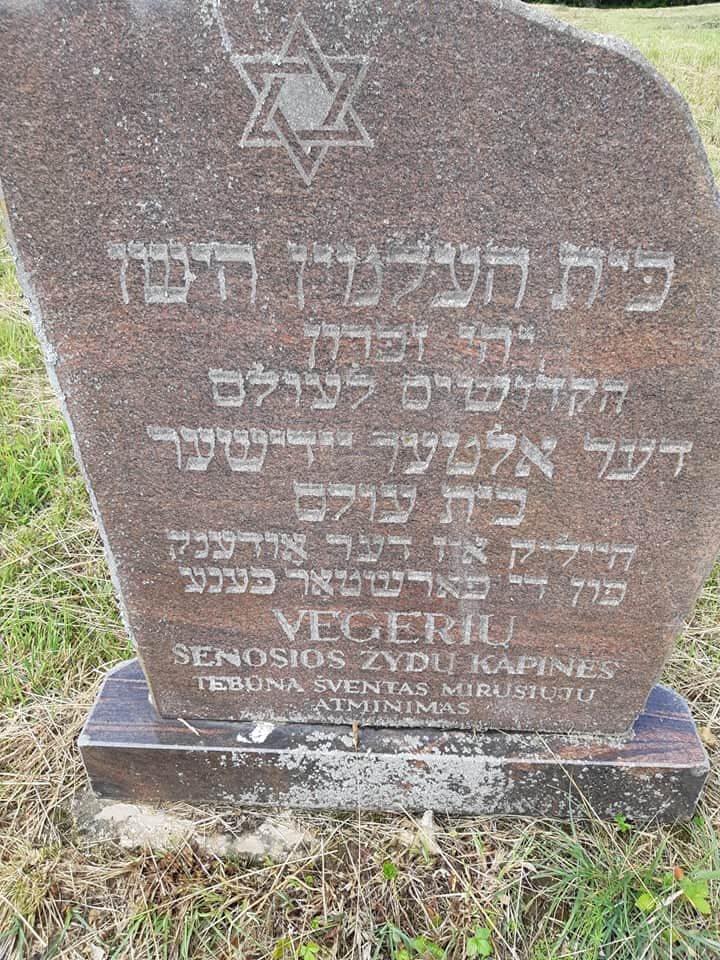
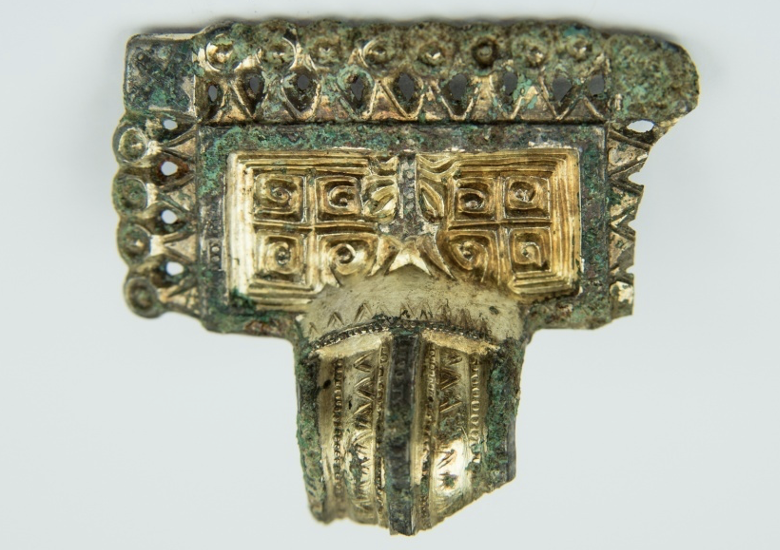
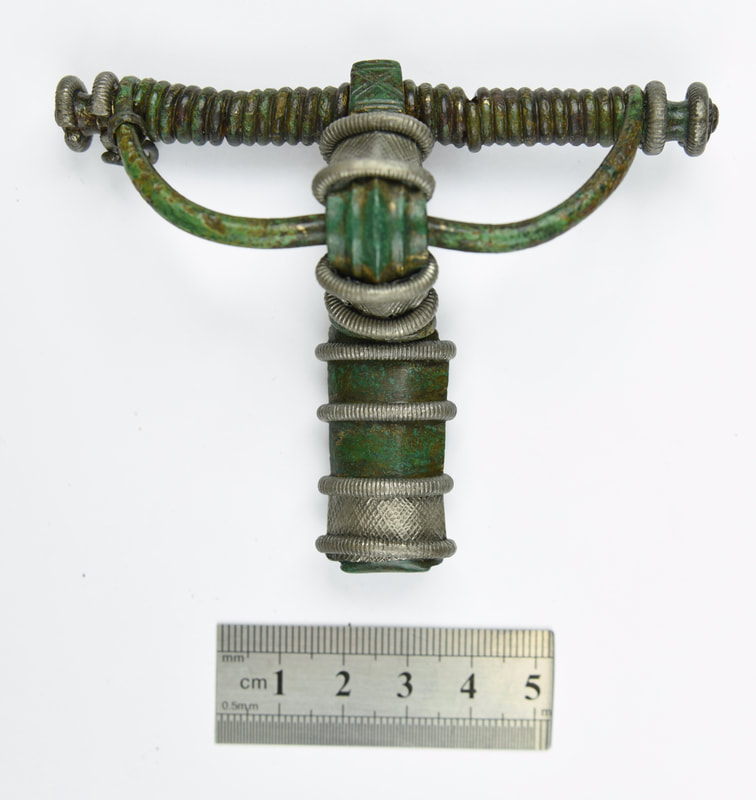
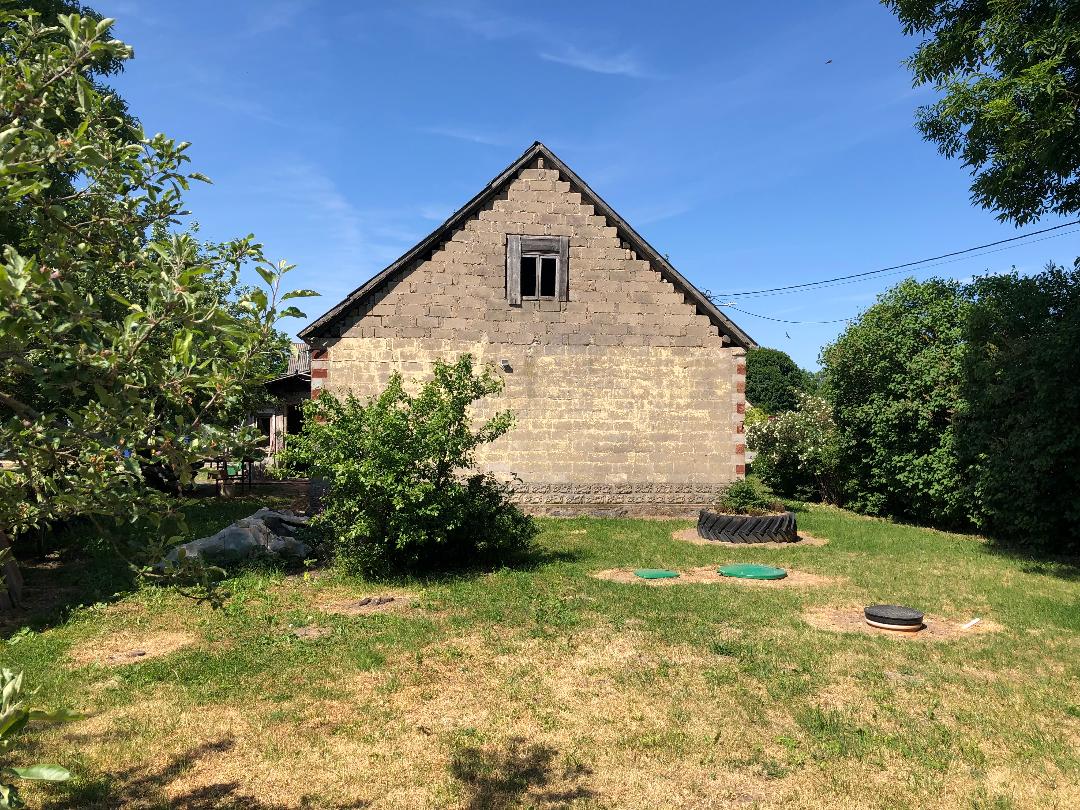
      According to archaeologists, the current Vegeriai area was in the 6th–13th centuries. were inhabited by Žiemgali. 16th century court documents mention the state village of Vegeriai in 1602. received the privilege of establishing a town, holding markets and fairs. In 1738 there were 15 yards, in 1745 already mentioned as a town, 1766 a church was built. Being on the border of Kaunas and Curonian gubernias, during the tsarist Russian occupation (19th century) it grew, there was an official primary school, a dozen shops and taverns. During the 1923 population census, 149 farms were described with 784 inhabitants. Until 1947 Vegerai was the center of the remote and smallest village in the Mažeikiai County, besides churches, houses of prayer of Russian Orthodox, Evangelical Lutherans and Jews operated.
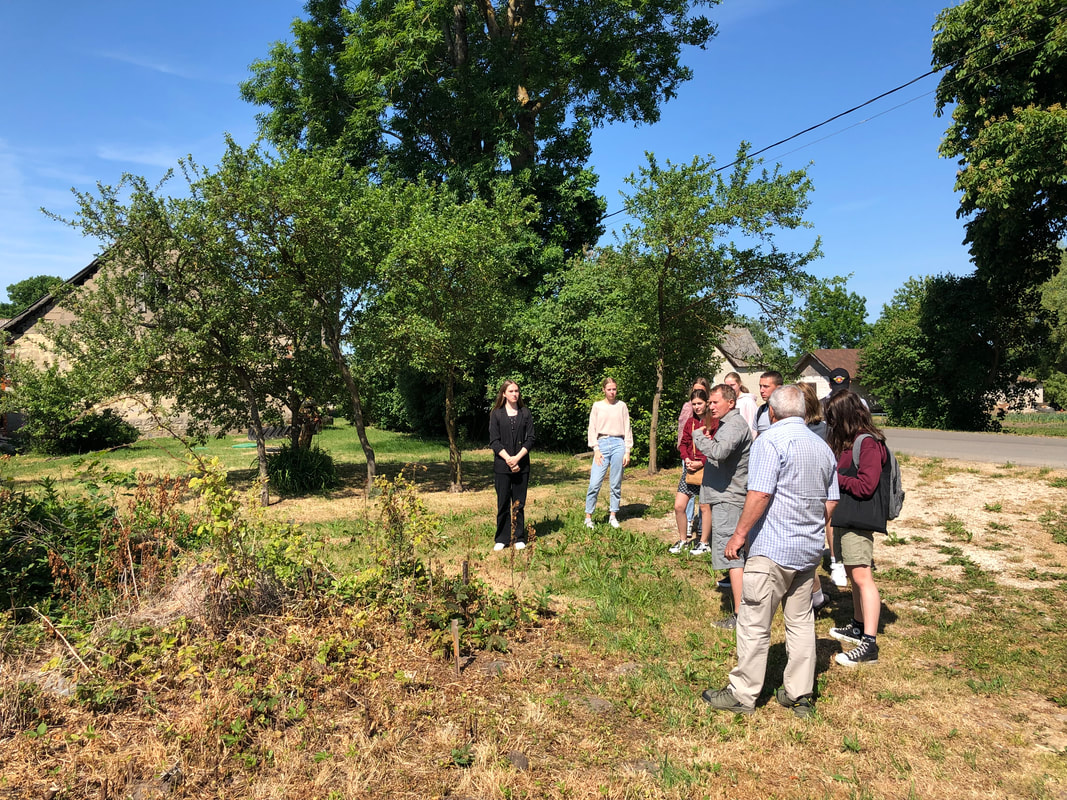
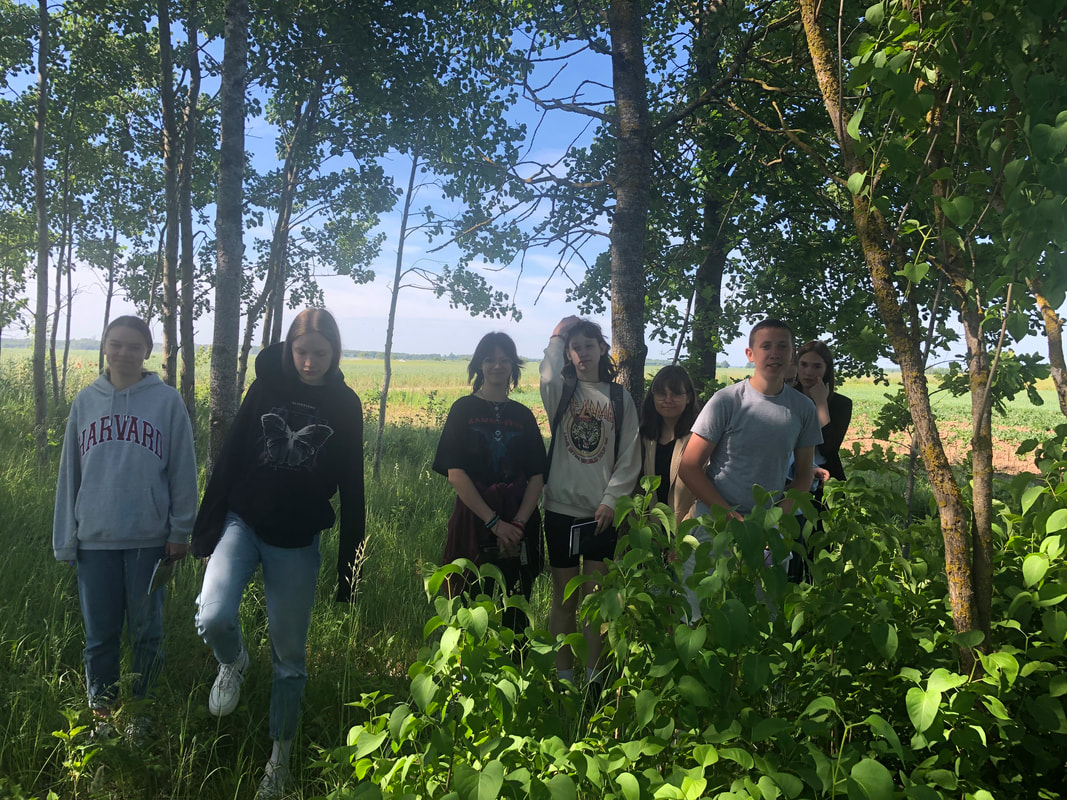
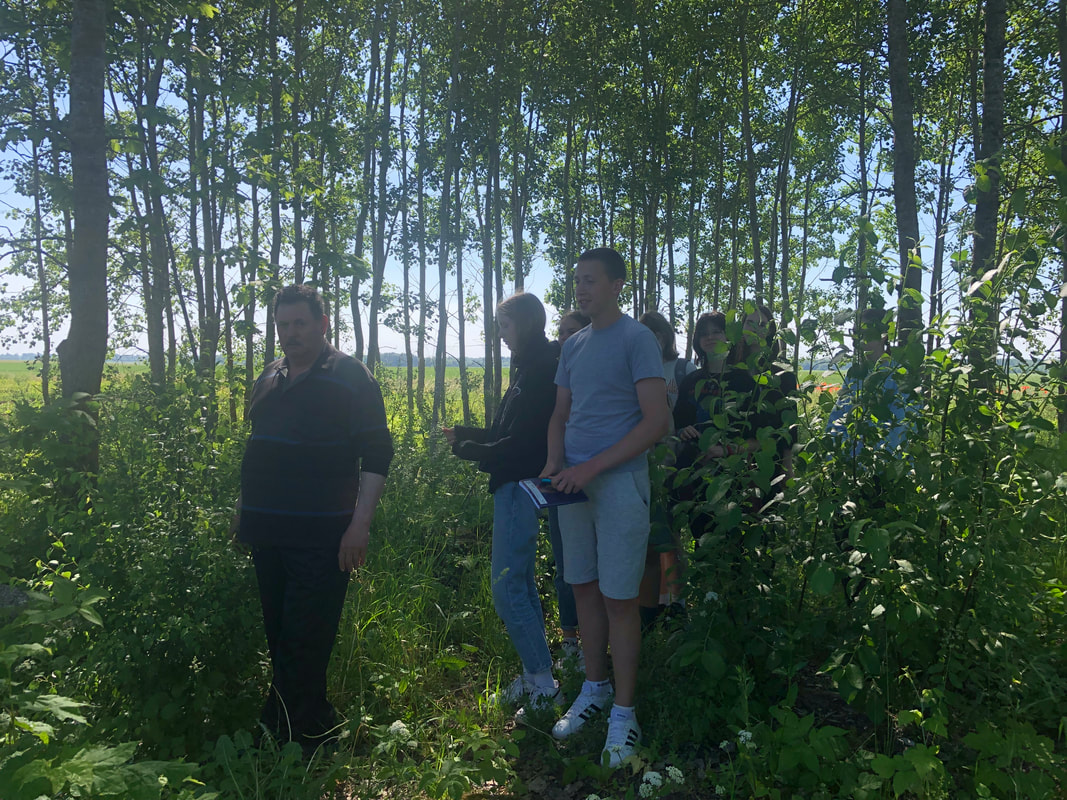
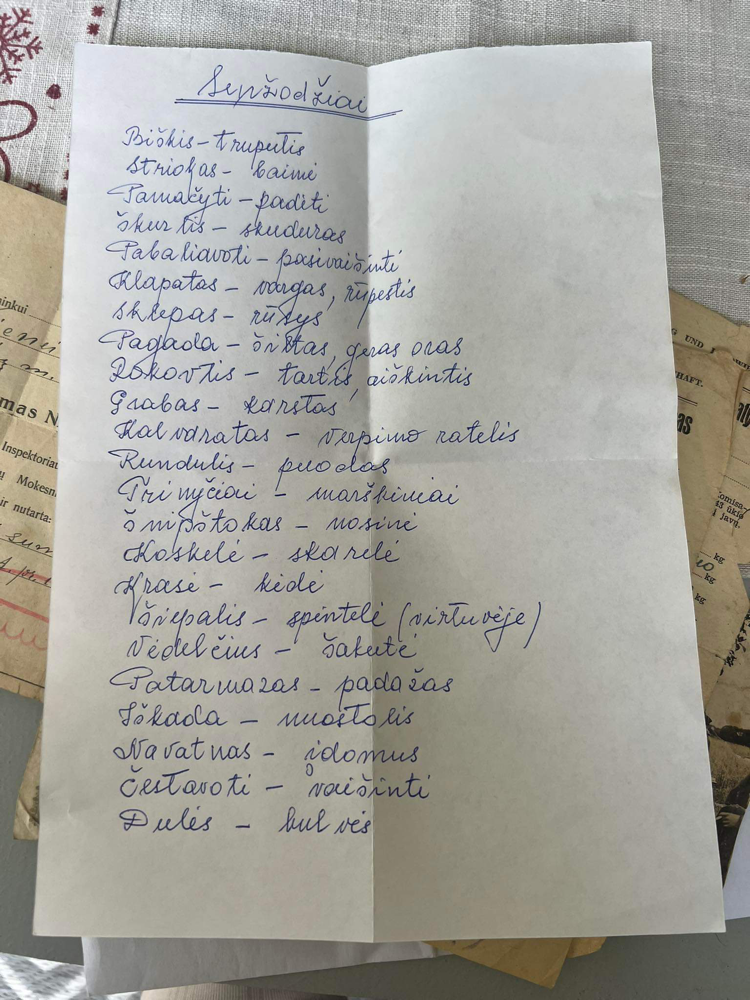
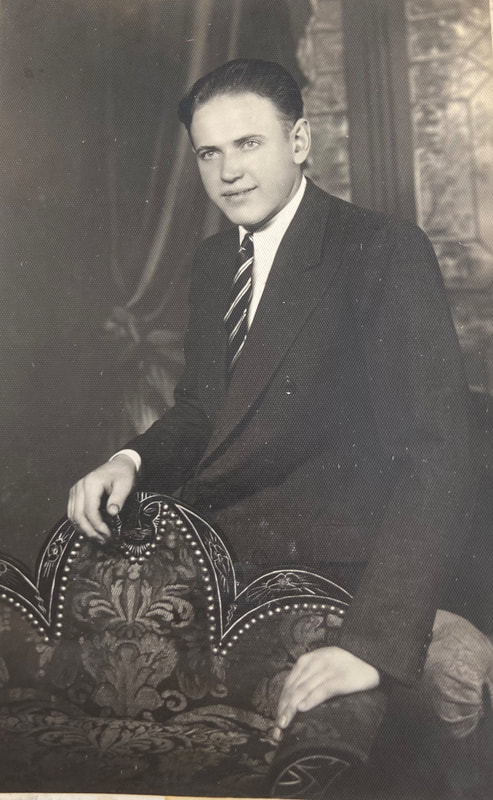
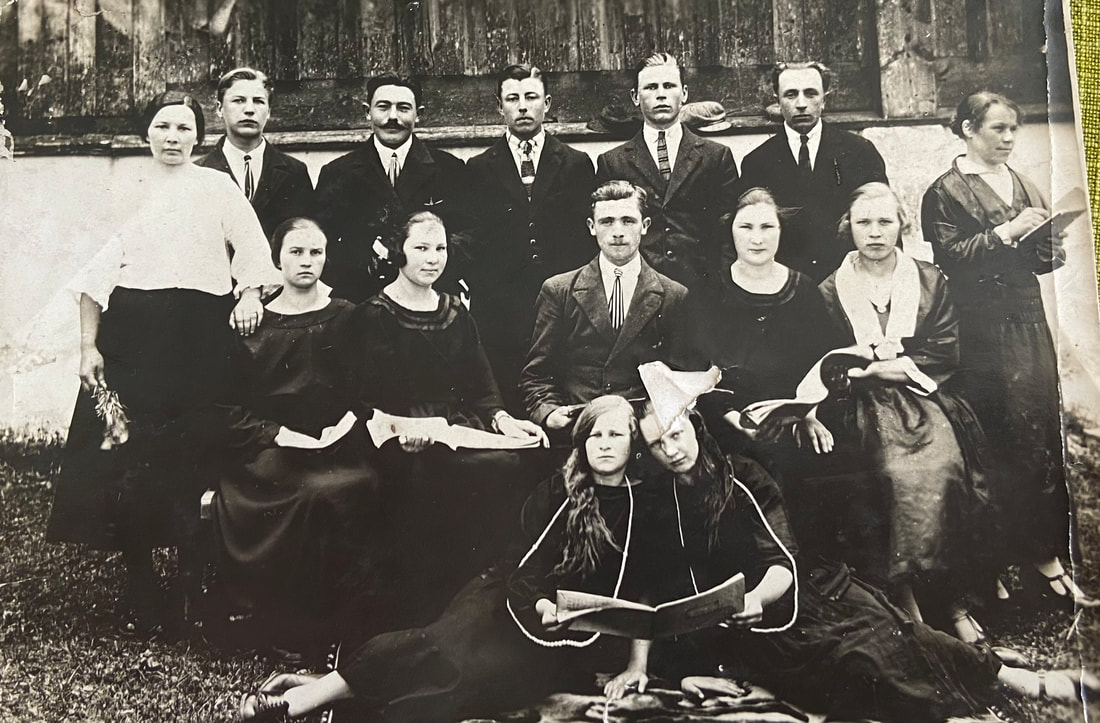
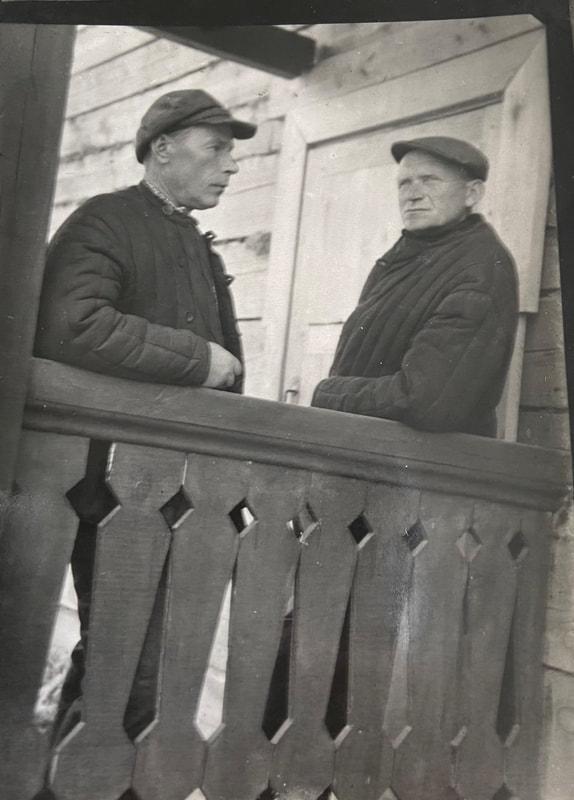
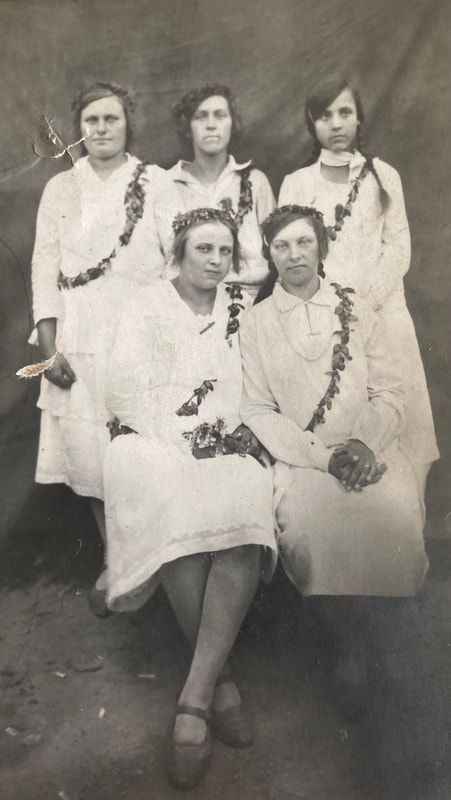
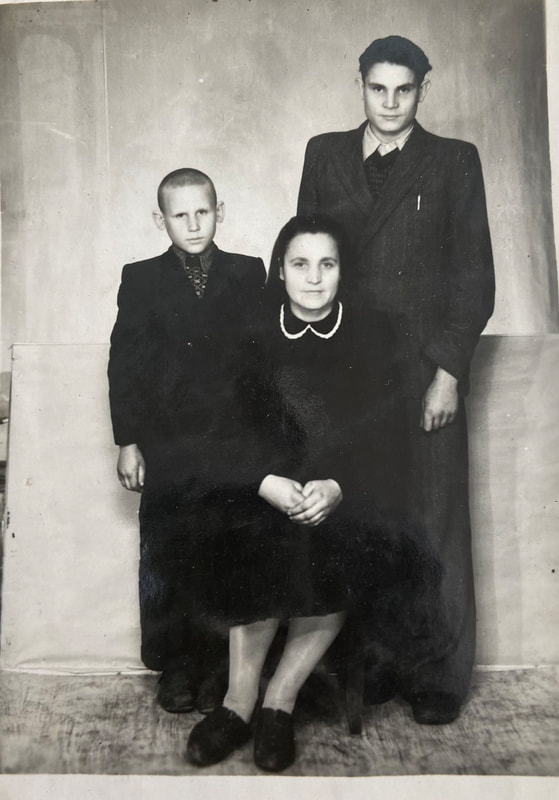
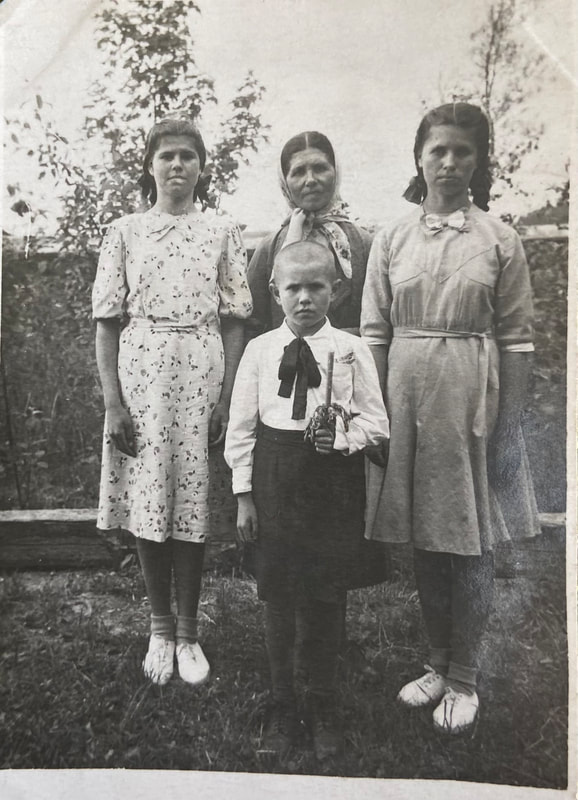
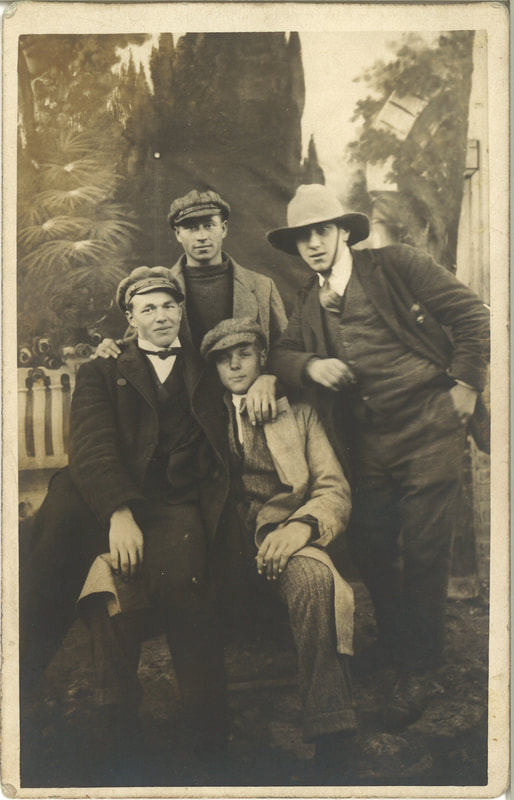
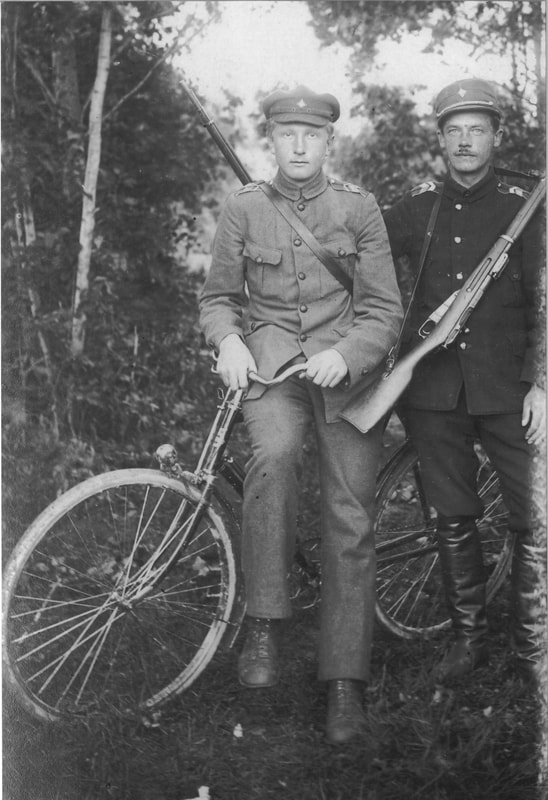
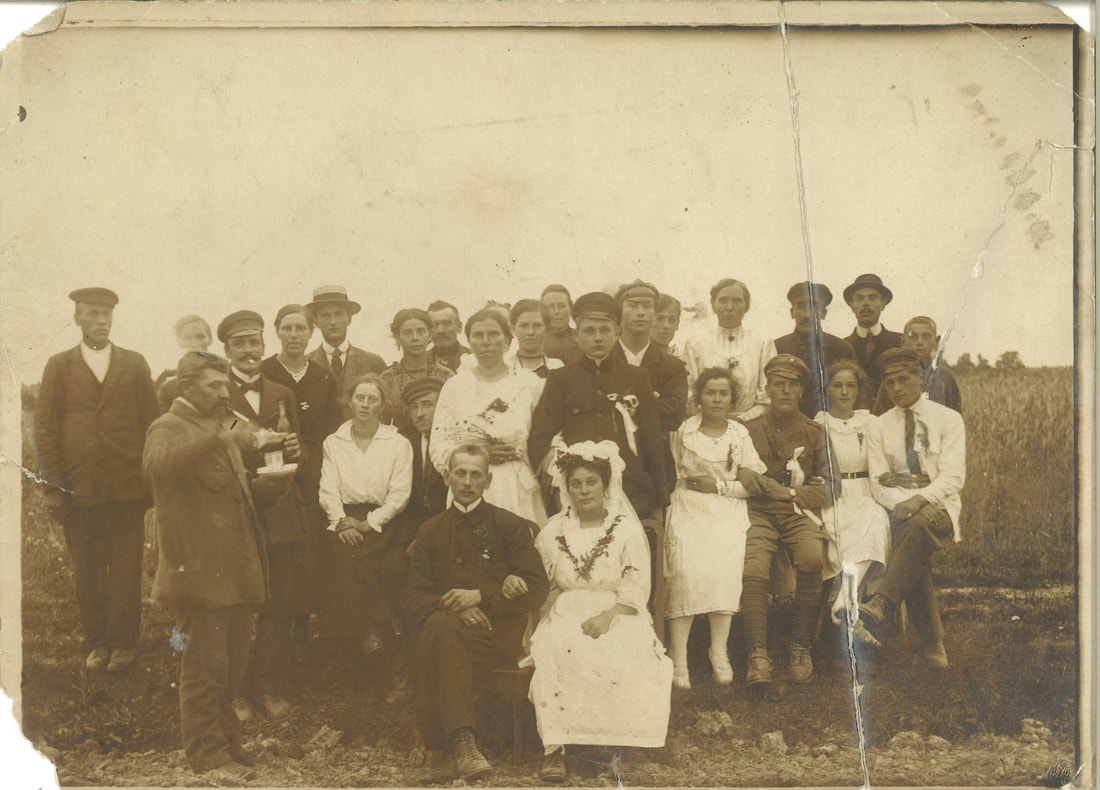
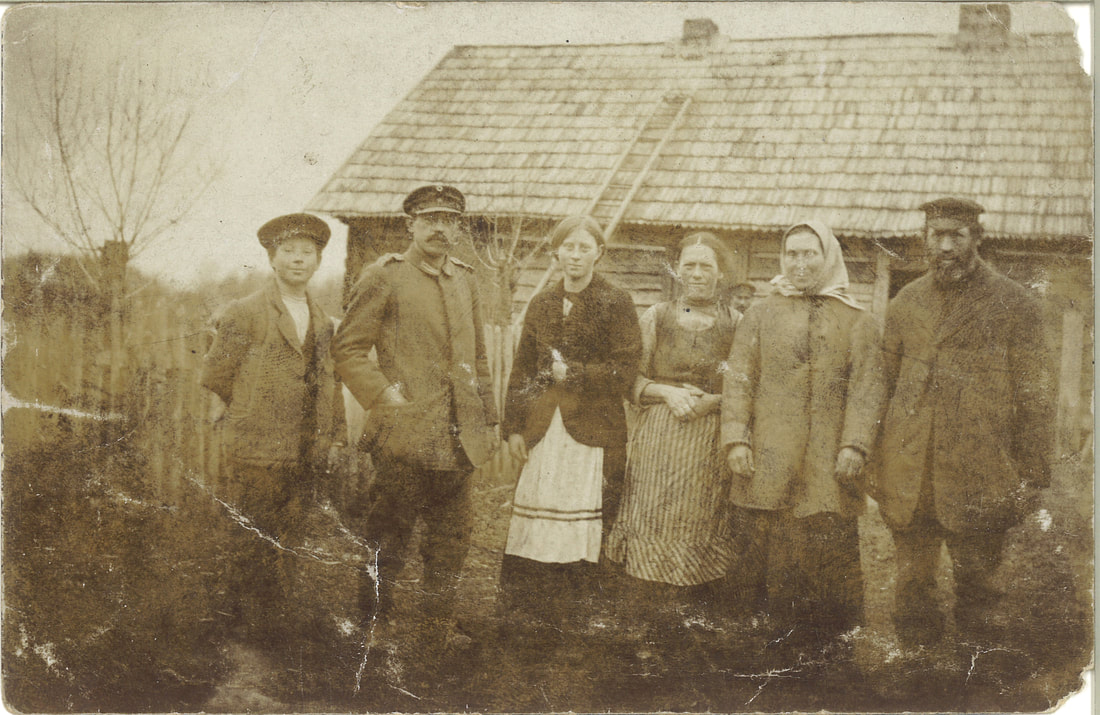
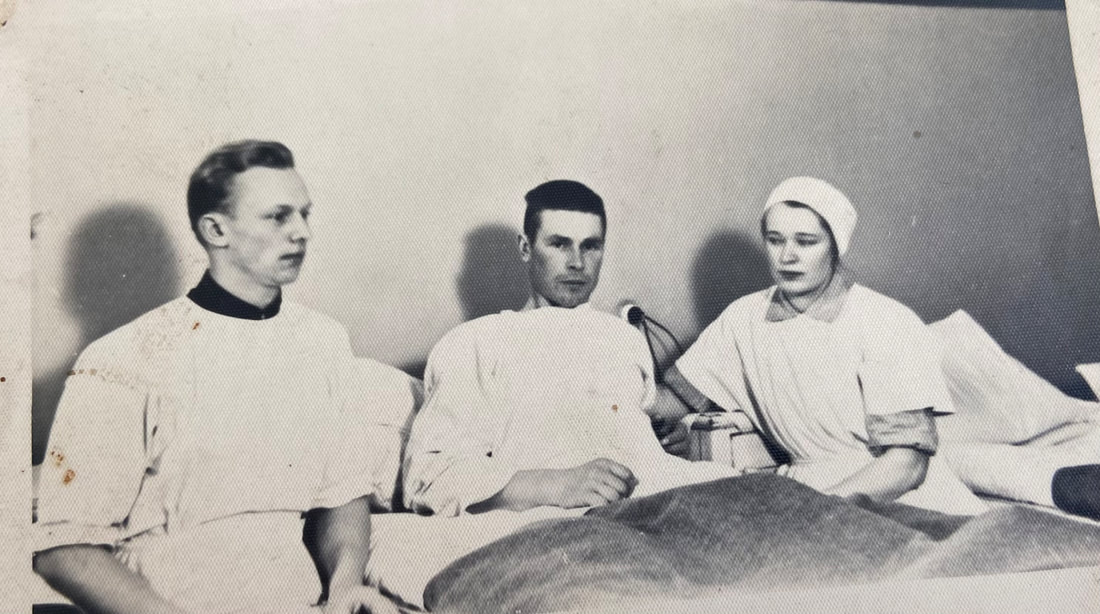
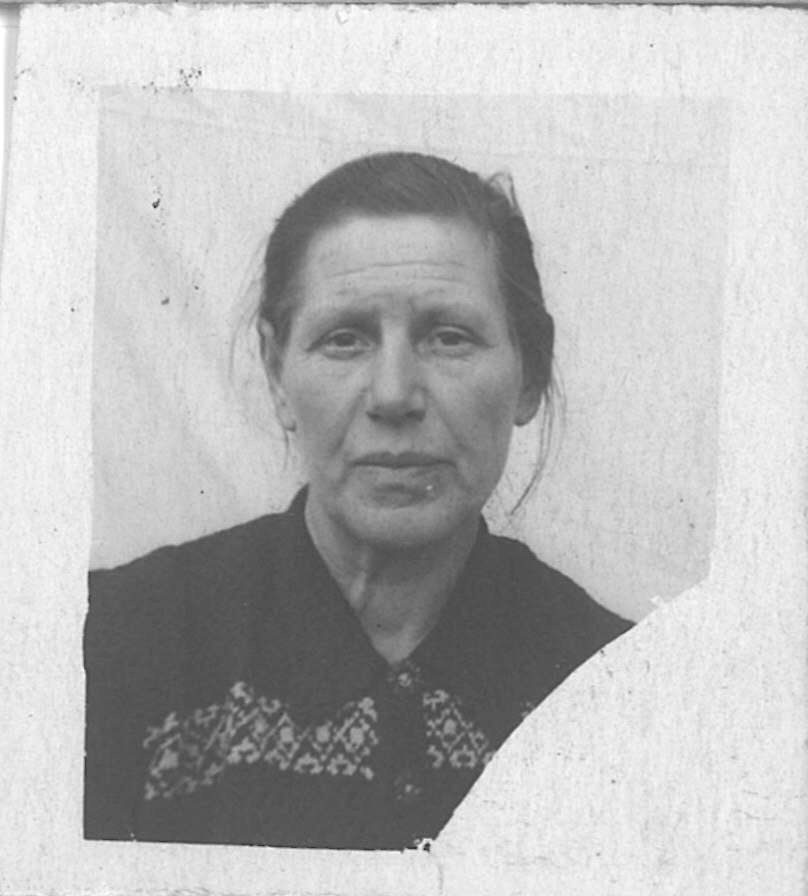
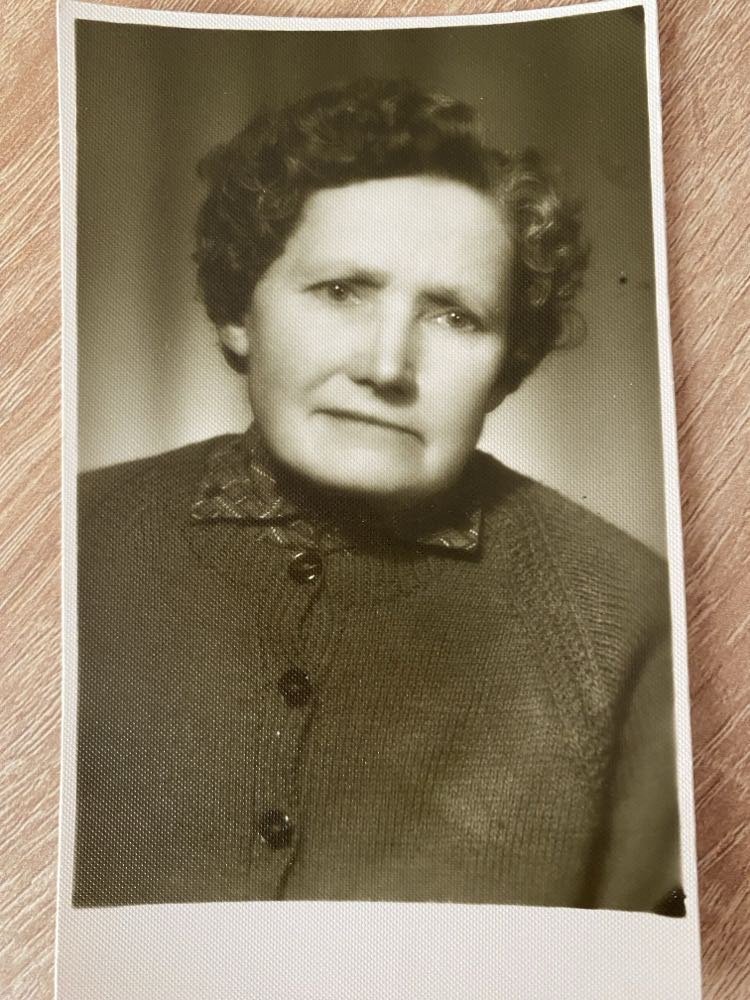
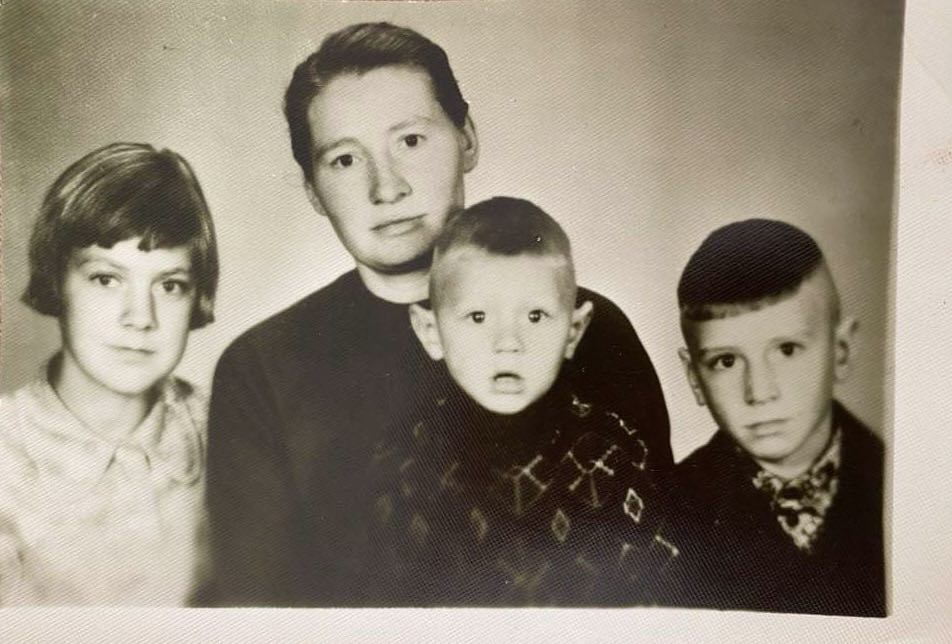
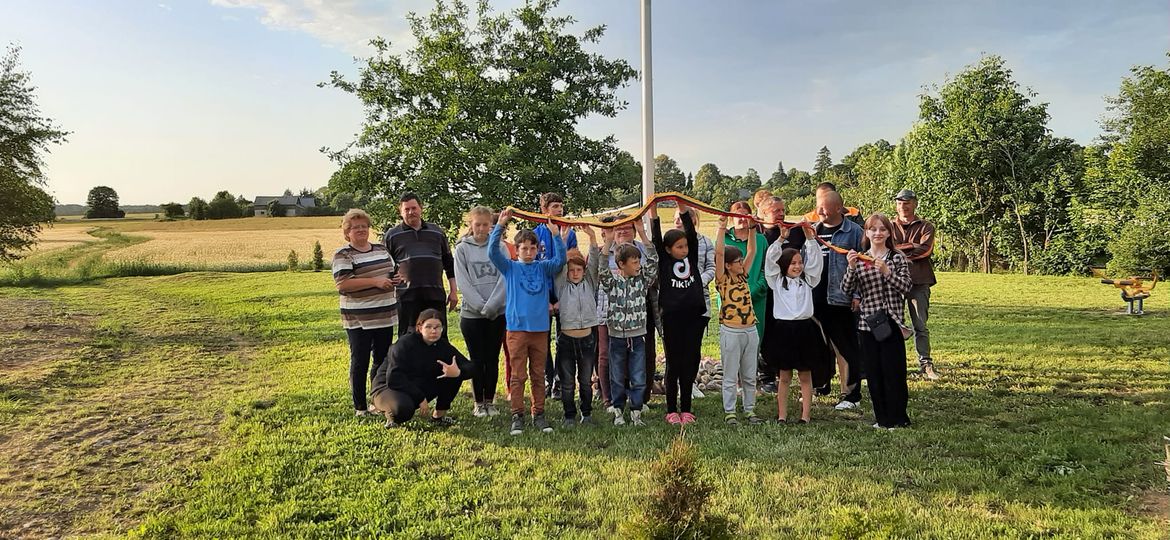
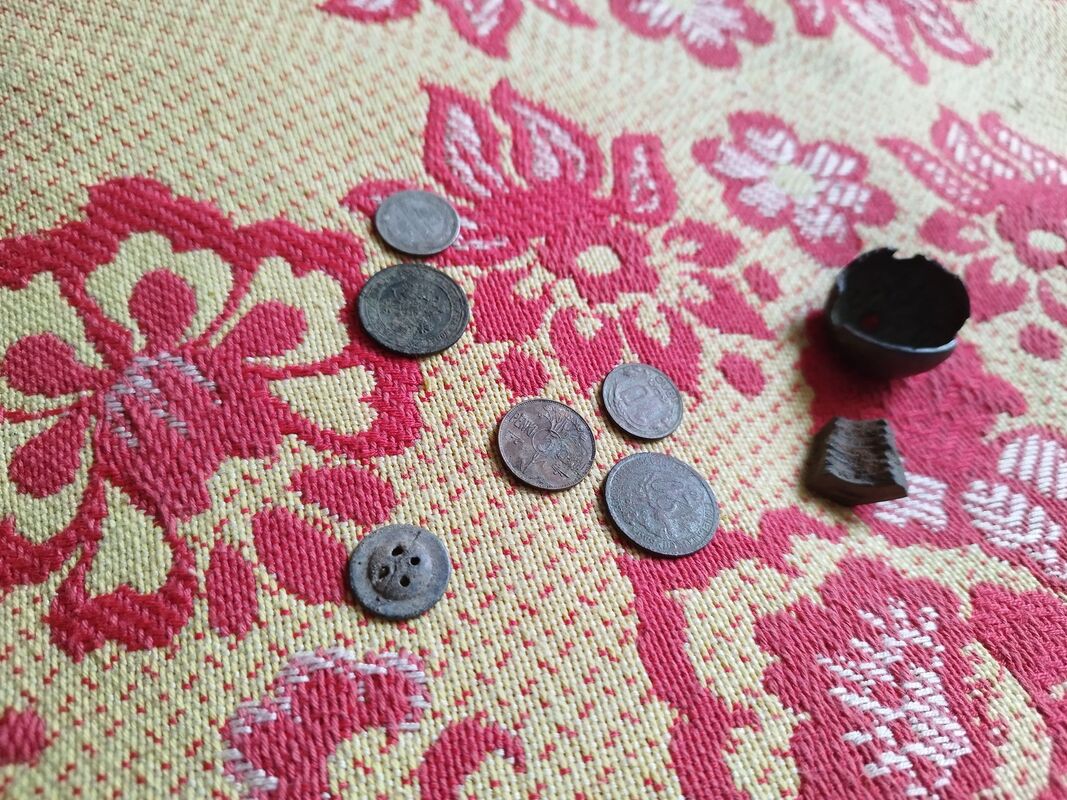
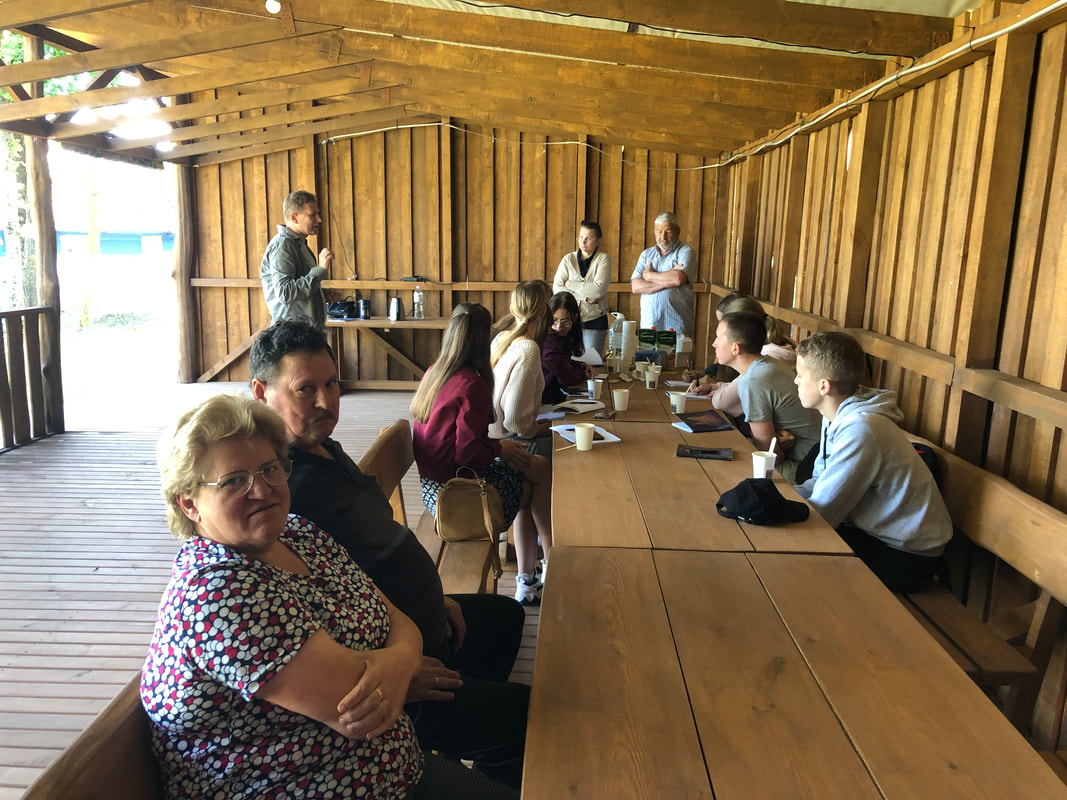
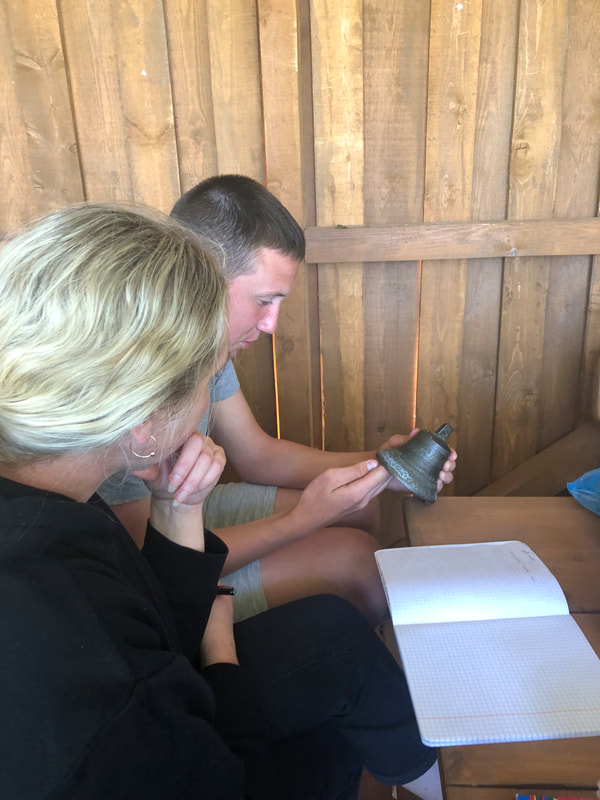
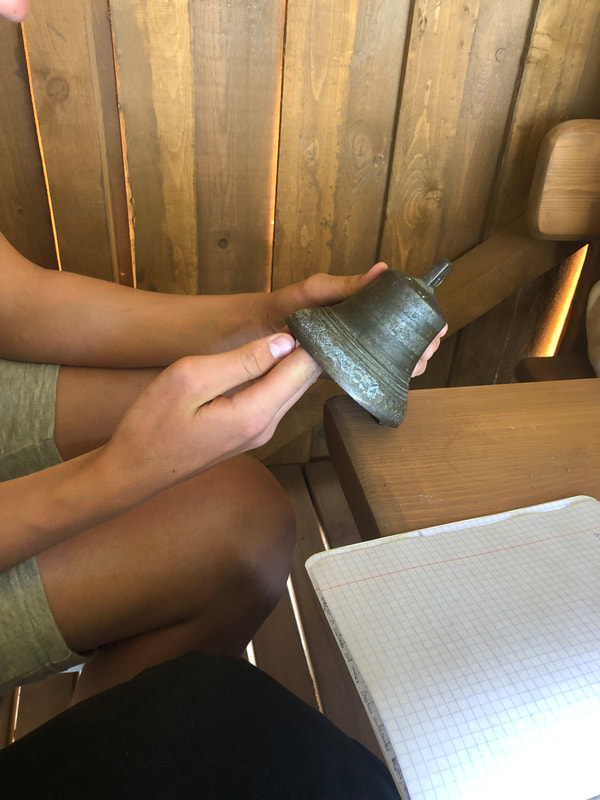
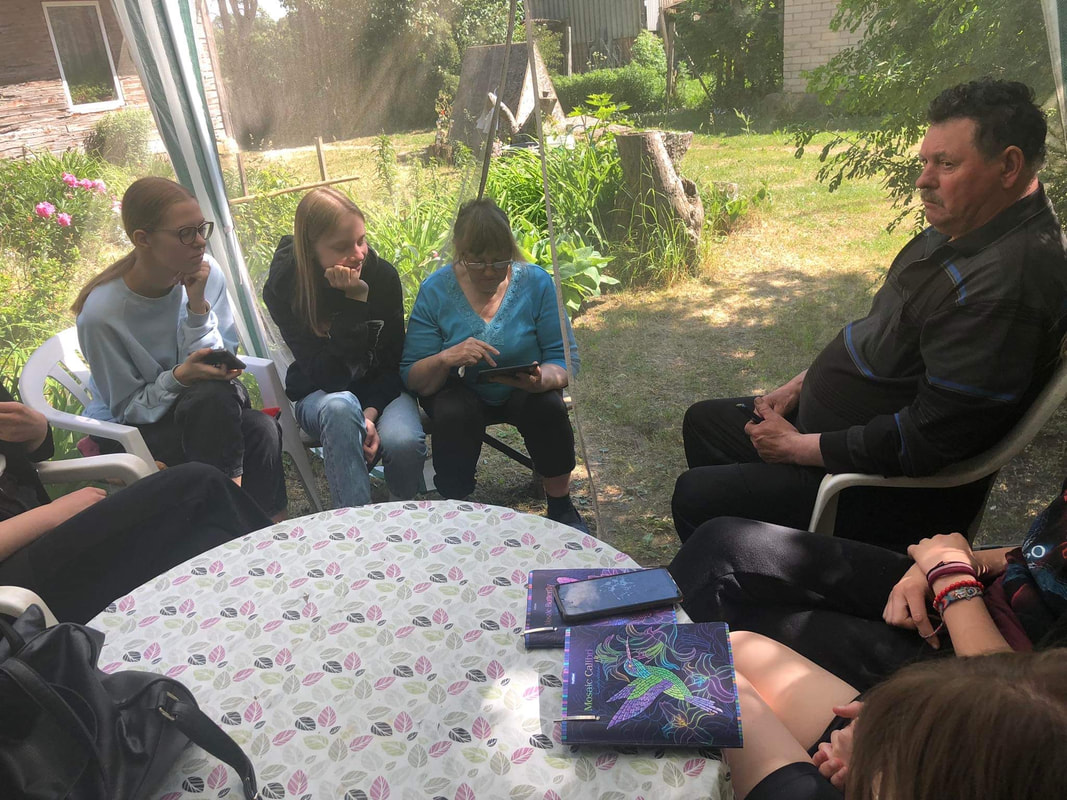
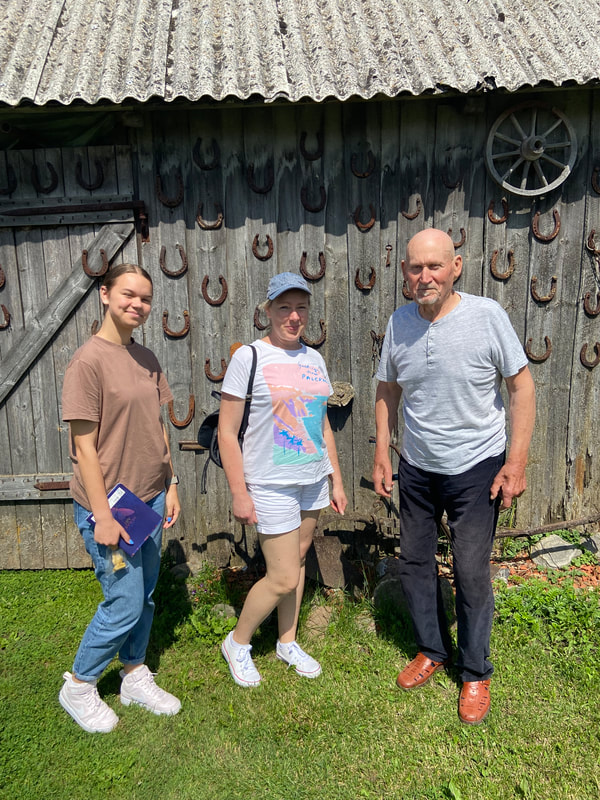
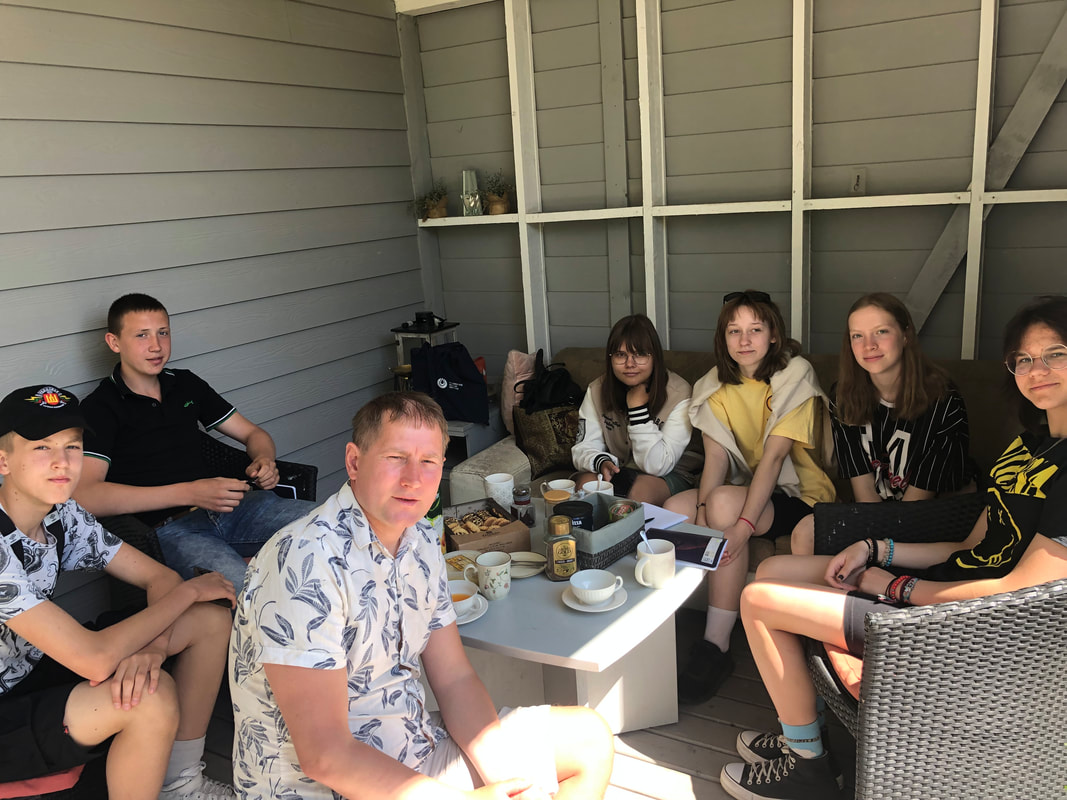
      During the local history camp, the students of Akmenė Gymnasium met with local residents, collected their stories, memories, photos and other materials, with the help of which they created a plan of the buildings of Vegeriai village, compiled lists of people who lived that year, described their activities, occupations, sources of livelihood. The research became an incentive for local residents to be interested in the cultural and historical uniqueness of the area.
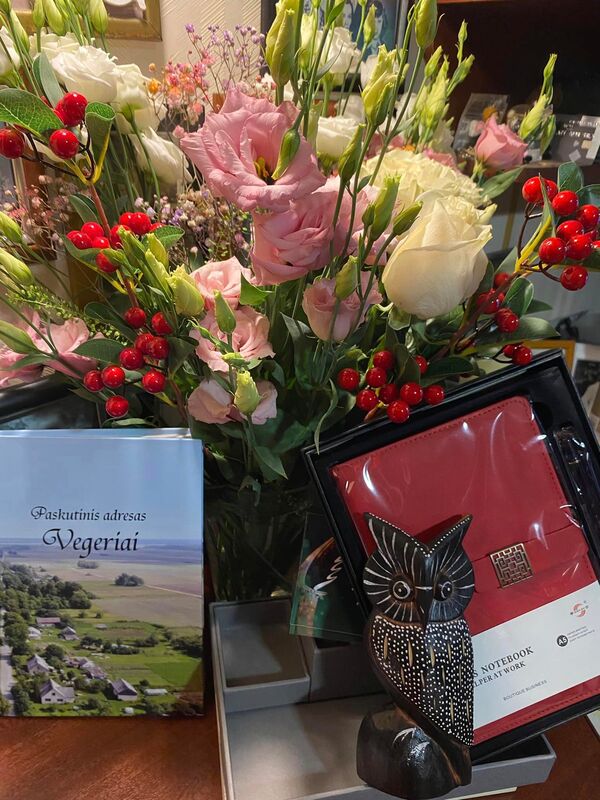
      The children who participated in the project acquired teamwork skills, learned to ask questions purposefully, listen to the interlocutor, understand and navigate old maps with the help of teachers, and read them. The material collected during the project was published in a separate book, which contains all the collected memories, found photographs and maps.
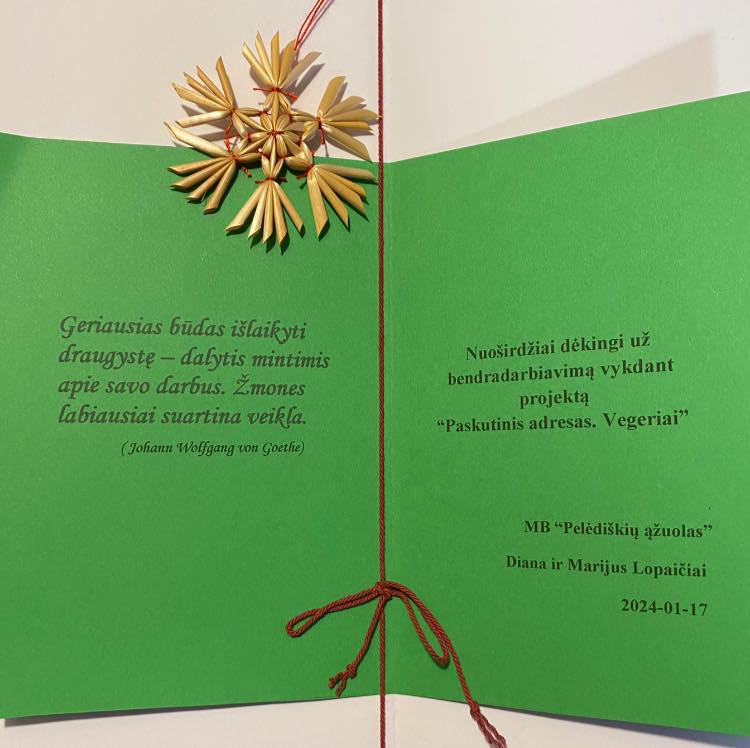
      The project was financed by the Lithuanian Culture Council and Akmenė District Municipality.
Picture
Picture
Picture
Picture
Picture
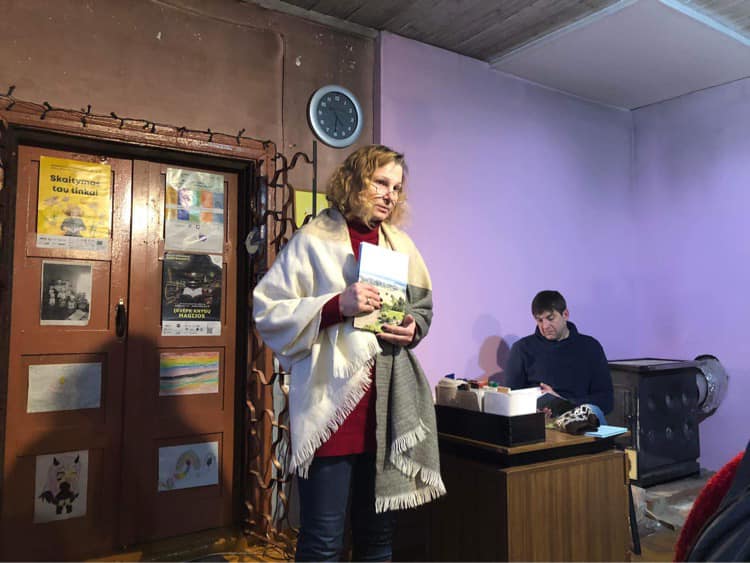
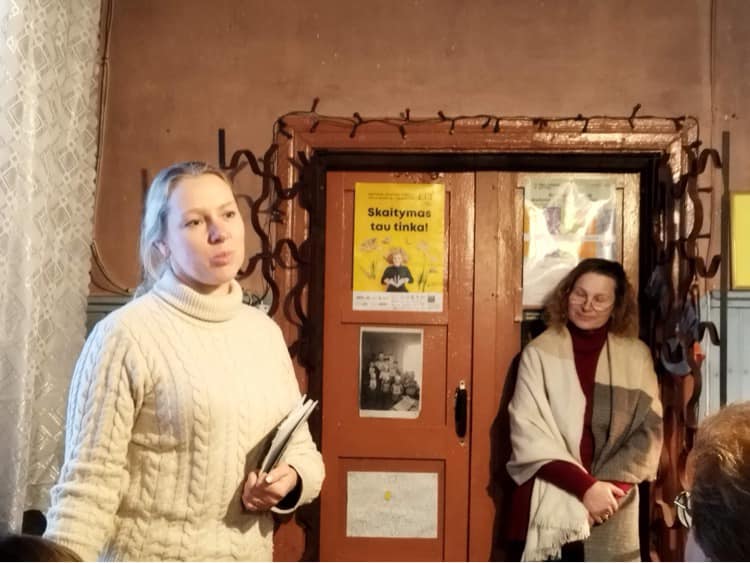
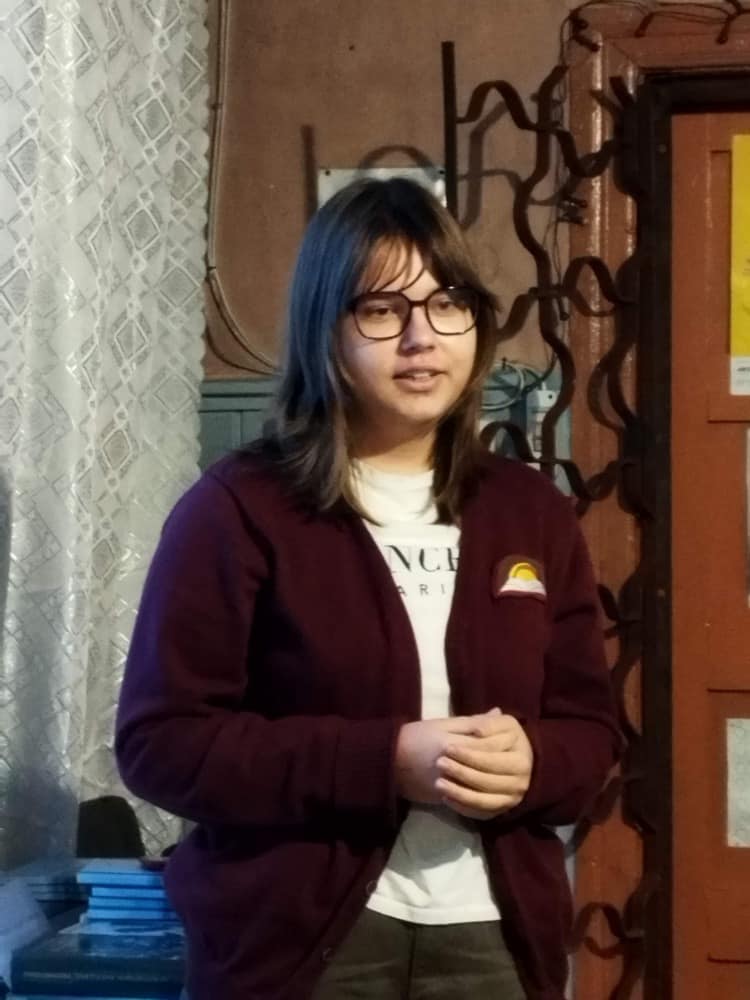
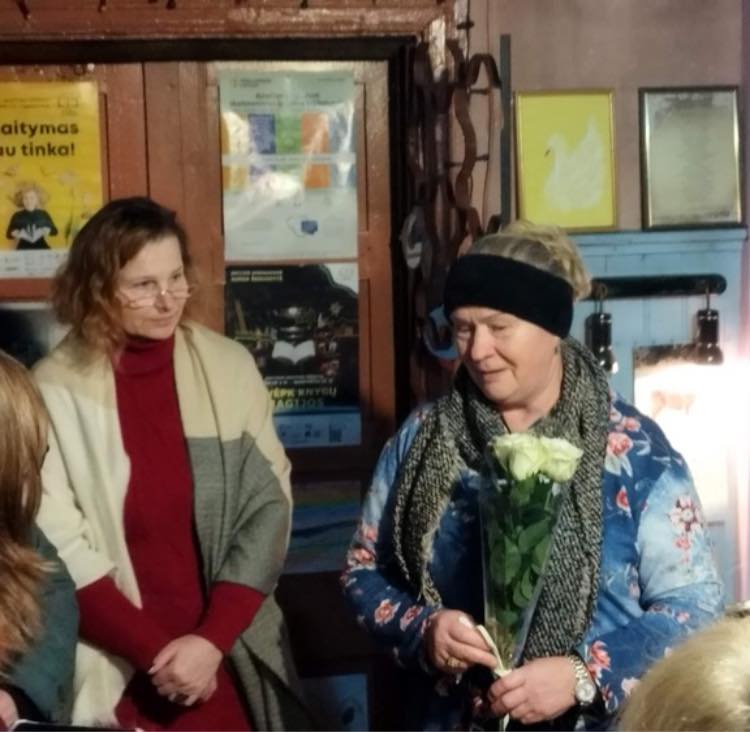
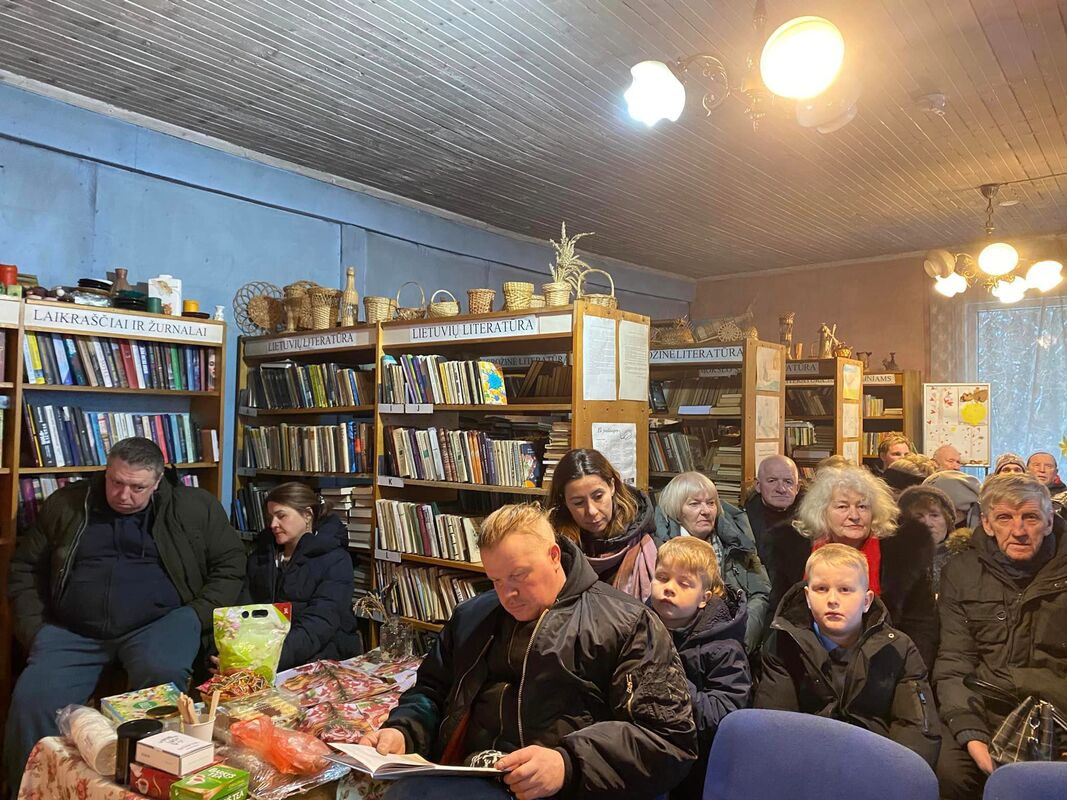
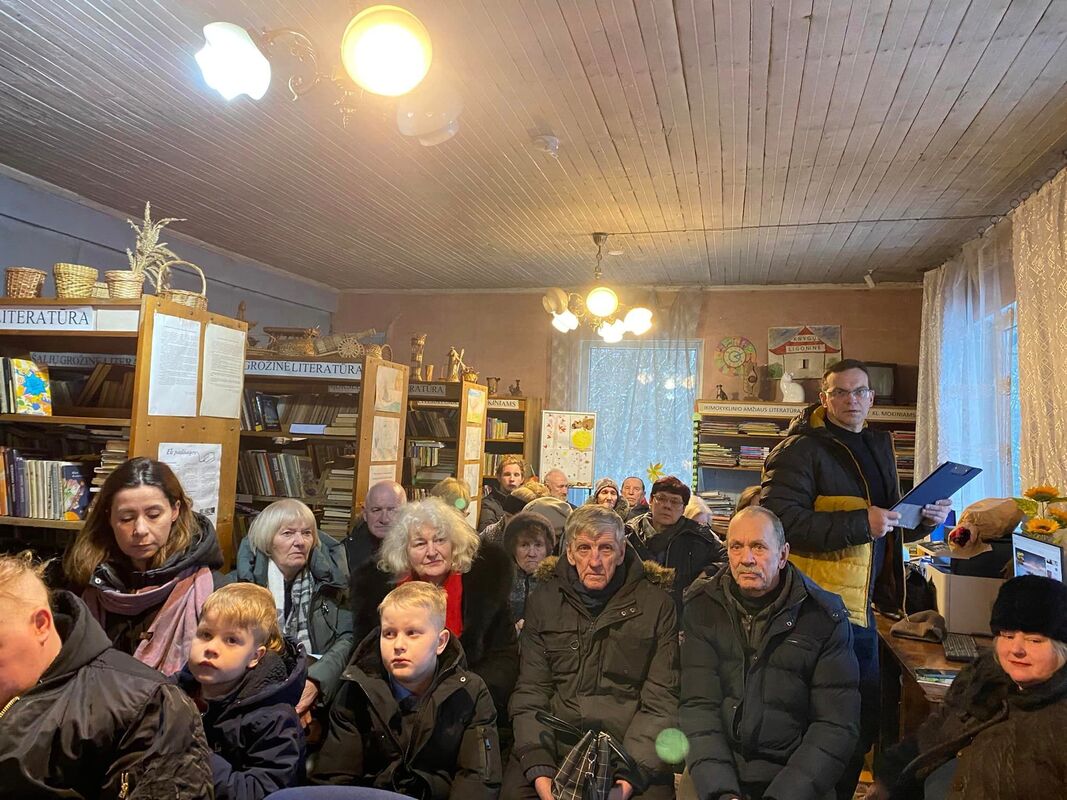
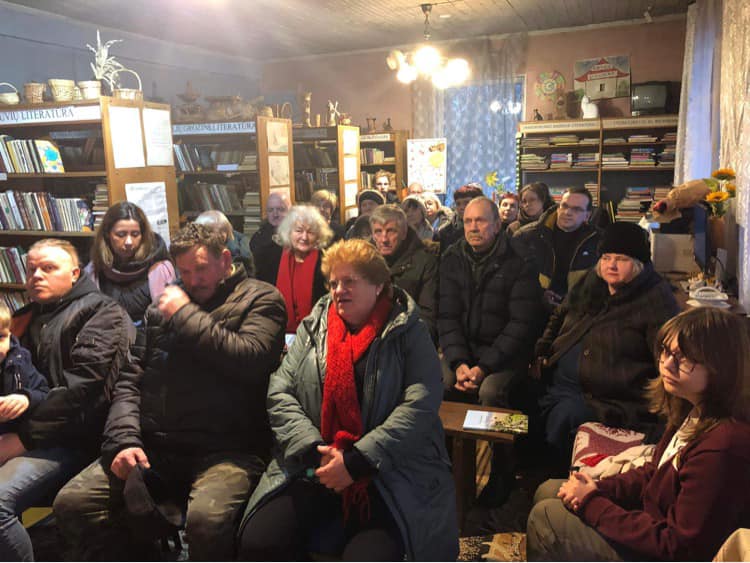
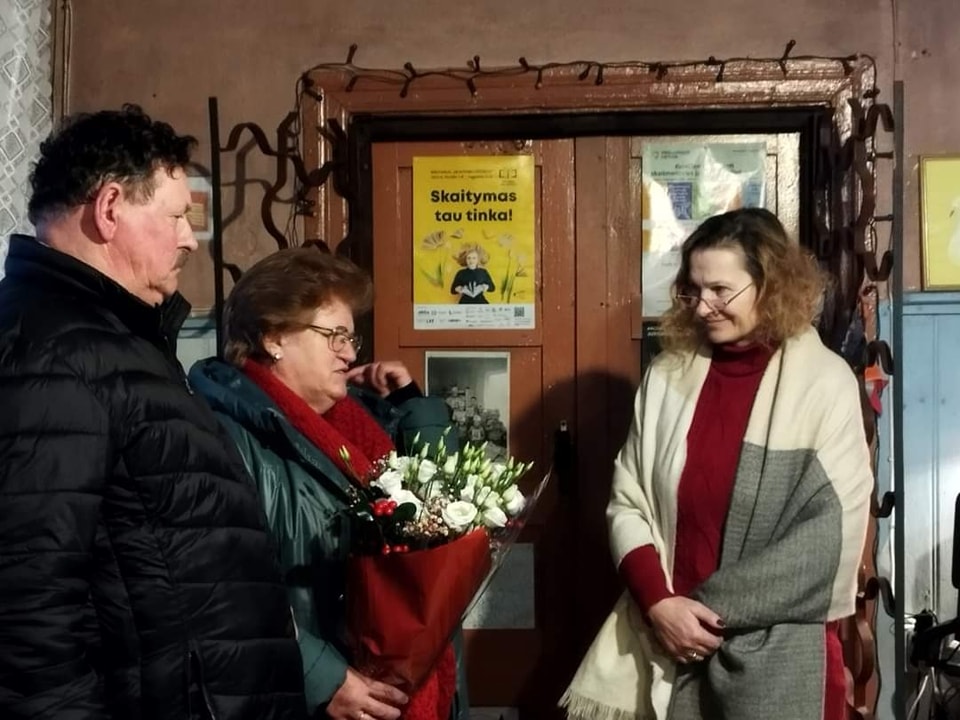
Presentation of the book "Last address. Vegeriai" in the Vegeriai library​
Proudly powered by Weebly